Improving Your Emotional Well Being


Specialist psychological therapy for neurodivergent adults
Blue Skies Psychology are a specialist Clinical Psychology practice supporting autistic, ADHD and otherwise neurodivergent adults.
We offer compassionate, evidence-based psychological assessment and therapy to adults who may be struggling with their mental health, emotional wellbeing, relationships, identity or the impact of their neurodivergence.
We have particular experience supporting adults who are late diagnosed or discovering their neurodivergence later in life, including people who have spent years masking, adapting to environments that do not meet their needs, or wondering why life has sometimes felt harder than it seems for other people.
Our psychologists work collaboratively with you to understand your individual experiences and develop an approach that fits your needs, preferences and goals.
**UK-wide online appointments. | Limited face-to-face appointments in Bearsden, Glasgow.**

You may be looking for support with:
-
Exploring possible neurodivergence
-
Adjusting to a recent formal diagnosis, or self-identification of autism or ADHD
-
Understanding yourself better after a lifetime of masking or feeling different
-
Autistic or neurodivergent burnout, overwhelm or exhaustion
-
Anxiety, low mood, shame, or low self-esteem
-
Trauma or difficult past experiences
-
Emotional regulation difficulties
-
Difficulties with relationships, work or everyday life
-
The psychological impact of physical health difficulties, poor sleep or women's issues
-
Feeling stuck and unsure how to move forward
We recognise that neurodivergent adults are not all the same. Our approach is individualised and psychologically informed rather than based on a one-size-fits-all model.
Receiving an autism or ADHD diagnosis can bring a mixture of relief, validation and understanding — but it can also raise difficult questions. You may be looking back at your life differently, wondering why things have felt so difficult, or trying to work out what you need now.
For some people, years of masking, adapting and trying to fit in can leave them exhausted or disconnected from themselves.
Psychological therapy can provide a space to make sense of these experiences, understand yourself more compassionately and develop ways of living that work better for you.
You don't have to figure it out all on your own
How we can help
Psychological Assessment
We initially offer a comprehensive psychological assessment. During assessment, the aim is to gather information about your current difficulties, when these started and how they developed over time. We will also explore how they are impacting on your life just now and what things you may have started or stopped doing as a consequence.
Once we have completed this, an individualised formulation will be shared with you. This is like a hypothesis about how your difficulties developed, what has made things more difficult now, what might be keeping the problem going and what is likely to help. The formulation will allow us to consider goals and will guide your therapy.
Psychological Therapy
Following assessment and formulation, we will agree on a treatment plan and approximate number of sessions; this will be regularly reviewed. Our psychologists use an integrated, collaborative approach to therapy, drawing on a range of evidence-based therapeutic models tailored to suit your unique needs. We are able to adapt therapy for individual learning styles and preferences and with all of our team having lived experience of neurodivergence, we are very comfortable working with neurodivergent individuals.
Clinical Supervision
In addition to providing assessment and therapy to clients, we provide Clinical Supervision to other Practitioner Psychologists. We aim to provide a safe, reliable and reflective space for other psychologists to discuss their clinical and non-clinical work in addition to external factors impacting on this.
Meet the Team
Blue Skies Psychology was founded by Dr Kirsty Horne, Clinical Psychologist, following her own late autism diagnosis and her growing specialist interest in supporting neurodivergent adults. Our practice has now expanded to include additional Clinical Psychology expertise, allowing us to support more people while maintaining the individualised, specialist approach that Blue Skies Psychology was built around.
Dr Kirsty Horne- Founder & Director

Hello, my name is Dr Kirsty Horne. I am an HCPC registered Clinical Psychologist and accredited EMDR Practitioner based in Central Scotland. I work with adults and offer face-to-face sessions in Glasgow and UK-wide online therapy.
I have worked with clients across the lifespan within the field of Clinical Psychology since 2003, initially as an Assistant Psychologist and Research Assistant. I completed my Doctorate in Clinical Psychology at the University of Glasgow in 2010.
I was diagnosed as autistic at the age of 44, following one of my children being diagnosed. My own experience has given me a particular interest in supporting neurodivergent people and understanding the unique challenges they may face. Over the past few years, I have undertaken extensive training in adapting psychological therapy for neurodivergent individuals. I now work primarily with autistic people and people with ADHD, including those with a formal or self-diagnosis, who may be struggling with aspects of their neurotype, low self-esteem or the impact of past trauma. I also have expertise in supporting people experiencing emotional difficulties associated with sleep problems and physical health conditions, including cardiac conditions, stroke, chronic pain, medically unexplained symptoms and cancer. In addition, I am experienced in working with people experiencing anxiety disorders, depression, and PTSD.
I use an evidence-based, integrative approach and predominantly use Eye Movement Desensitisation & Reprocessing Therapy (EMDR). In 2025, I completed Level 1 training in the Integrated EMDR & IFS (Internal Family Systems) Model, and am currently undertaking further training in IFS. This means I incorporate 'parts work' in my therapeutic work. I have also undergone training in Cognitive Behavioural Therapy (CBT), Acceptance & Commitment Therapy (ACT), Compassion Focused Therapy (CFT) and Health Behaviour Change (HBC) strategies.
I am very genuine, down-to-earth and approachable and would be very happy to work with you to help you achieve your goals and improve your emotional wellbeing.
Dr Horne's Professional Qualifications and Registration
-
BSc (Hons) Psychology, 2001
-
MSc Forensic Psychology, 2003
-
Doctorate of Clinical Psychology, 2010
-
EMDR Association UK Accredited Practitioner
-
EMDR Europe Accredited Practitioner
-
Health & Care Professions Council (HCPC) registered (PLY25666)
-
Protection of Vulnerable Groups (PVG) membership
-
Disclosure Scotland certified
-
Disclosure Barring certified
Dr Horne is passionate about ongoing learning and, over the past few years, has undertaken extensive additional training to deepen her understanding of neurodivergence and support more neurodiversity-affirming practice. This includes training in meeting the needs of neurodivergent clients in psychotherapy; autism and neurodiversity across the lifespan; AuDHD: the unique profile of autism plus ADHD; autism and menopause; EMDR with neurodivergent clients; supporting clients with rejection sensitivity; neurodiversity-affirming practice; masking and unmasking; rethinking anxiety in neurodivergence; and living well with chronic illness and neurodivergence. She has also completed additional training in EMDR, ACT and Internal Family Systems (IFS).
Dr Lucy Kozlowski- Clinical Psychologist

Hello, I’m Lucy. I’m a Clinical Psychologist with extensive experience supporting people with both physical and mental health difficulties. I completed my Doctorate in Clinical Psychology at the University of Southampton in 2016 and have undertaken additional training in areas including ADHD assessment, working psychologically with long-term health conditions, family work, emotion-focused therapy, coaching and motivational interviewing.
I self-identify as AuDHD and have a particular interest in neurodiversity, including ADHD assessment and diagnosis, and in supporting people to better understand and work with their neurodivergent needs. I am also interested in women's health and in supporting people who are adjusting to changes in their health, identity or circumstances. I work with people experiencing difficulties such as anxiety, depression, low self-esteem, grief and loss, trauma, relationship difficulties and emotional regulation, as well as people living with long-term health conditions, chronic pain, fatigue, diabetes, women's health issues and neurological conditions.
My approach is warm, compassionate and non-judgemental. I work integratively, drawing on a range of psychological approaches including Coaching, Cognitive Behavioural Therapy (CBT), Acceptance and Commitment Therapy (ACT), Compassion Focused Therapy (CFT), person-centred, narrative and systemic approaches. I tailor my approach to each individual, taking time to understand their experiences and what is important to them.
I aim to provide a safe and supportive space where people can make sense of their experiences, process difficult emotions and develop practical strategies to manage difficulties and move towards the things that matter to them.
Dr Kozlowski's Professional Qualifications and Registration
-
BSc (Hons) Psychology & Computing
-
MSc Clinical Psychology
-
Doctorate in Clinical Psychology
-
ADHD Assessment & Diagnosis Skills
-
Emotion-Focused Therapy
-
Working Psychologically with Long-Term Health Conditions
-
Family Work
-
Coaching Skills
-
Motivational Interviewing
-
ACT for Long-Term Health Conditions
-
Health & Care Professions Council (HCPC) registered (PLY34531)
-
Disclosure Barring certified
Dr Hilary Harrison-Millan- Counselling Psychologist

Hi, I'm Hilary. I am an HCPC-registered Counselling Psychologist offering online psychological therapy to adults. I specialise in supporting people experiencing anxiety, depression, grief, trauma, uncertainty, health anxiety and difficulties with self-esteem, with particular expertise in the psychological impact of cancer and chronic illness. I also work with autistic people and those with ADHD using a neurodiversity-affirming approach.
As a Counselling Psychologist, I place the individual and the therapeutic relationship at the heart of my work. My approach is warm, collaborative and tailored to each person, integrating CBT, ACT, Emotion-Focused Therapy, Compassion-Focused Therapy and person-centred approaches. I aim to provide a safe, comfortable and non-judgemental space where clients can understand their experiences, explore what matters to them and work towards meaningful change.
Dr Harrison-Millan's Professional Qualifications and Registration
-
MA (Hons) Psychology (First Class Honours), 2017
-
MSc Research Methods in Psychology (Distinction), 2020
-
Doctorate of Counselling Psychology, 2024
-
Health & Care Professions Council (HCPC) registered (PLY045033)
-
Protection of Vulnerable Groups (PVG) membership
-
Disclosure Scotland certified
Dr Carolyn Soper-Tilbrook- Clinical Psychologist

Hello, I’m Carolyn. I have nearly 20 years’ experience working in NHS mental health services. I have a particular interest in supporting neurodivergent adults, drawing not only on my professional experience, but also on my own lived experience of ADHD. Alongside my clinical expertise, this gives me a personal understanding of some of the challenges and strengths that can accompany being neurodivergent.
I am able to support adults with a range of psychological difficulties, including anxiety, depression, stress, low self-esteem, self-criticism, trauma and PTSD, grief & loss, adjustment difficulties, OCD, interpersonal difficulties and burnout. I also have specialist experience working with older adults, including people living with dementia, and supporting individuals and families through the psychological and emotional changes that can accompany later life.
I use an integrative approach, drawing on evidence-based psychological models including Cognitive Behavioural Therapy (CBT), Compassion Focused Therapy (CFT), Cognitive Analytic Therapy (CAT) and Solution Focused Therapy (SFT). I adapt my approach to each individual, their circumstances and their goals, rather than applying a single model to everyone.
I am kind, sensitive and down to earth, and place great importance on creating a safe, supportive and non-judgemental space where people can feel comfortable being themselves. I am passionate about helping people develop a greater understanding of themselves and their experiences, and supporting them to make meaningful and positive changes in their lives.
Dr Soper-Tilbrook's Professional Registration and Qualifications
-
BSc Applied Social Psychology, 2007
-
Doctorate of Clinical Psychology, 2015
-
Health & Care Professions Council (HCPC) registered (PLY32468)
-
Enhanced Disclosure Barring certificate
FAQs
How do I book an appointment?
Please get in touch using the 'contact me' section of the website. Alternatively, you can email us on AdminatBlueSkies@proton.me or text/ send us a WhatsApp message on 07938 540 486. You can also contact us via messenger from our Facebook page https://www.facebook.com/blueskiespsychology/
How much does each session cost and how long does it last?
Our standard fee for assessment and therapy sessions is £120 for 50 minute remote sessions, or £130 for in-person sessions, payable on the day of the appointment via bank transfer. Our Counselling Psychologist offers online sessions at £95, or in-person sessions at £105, reflecting her current stage of professional experience. We accept clients using private medical insurance with WPA, Vitality Health, Bupa, Aviva, Allianz and Cigna. Clinical supervision sessions are £120 per hour and can be regular sessions or ad-hoc, as required.
Assessment can take several sessions. Following this we would arrange a session to review your 'formulation' and agree on a treatment plan and approximate number of sessions. For some people, the assessment and formulation process is all that is needed. For others, the number of sessions required can vary, depending on the complexity of the difficulties experienced.
Where are your clinics?
We provide psychological therapy and assessment UK-wide via secure video or telephone appointments, and the majority of our sessions take place remotely.
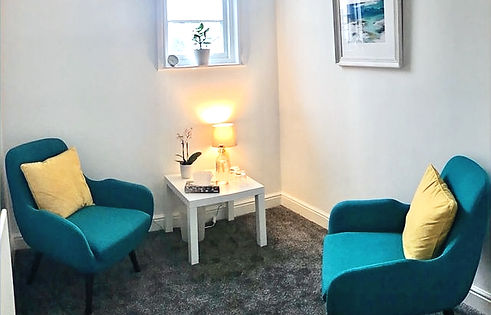
We offer a small number of face-to-face appointments at the Wellbeing Rooms (5A Kirk Road, Bearsden, Glasgow). In-person appointments are available on a limited basis, so if you would prefer to meet face-to-face, please get in touch and we can let you know about current availability and wait time.
What is your cancellation policy?
Is the service confidential?
As all our psychologists are HCPC registered, their professional and legal duty is to respect and protect the confidentiality of clients at all times. However, in some circumstances—such as a situation where we might be concerned that you, or someone else is at risk of serious harm—it may be necessary to disclose confidential information. In this type of situation, we would endeavour to discuss this with you in advance.
Please contact us as soon as you are aware that you need to cancel or reschedule an appointment. Unfortunately, appointments cancelled at less than 48 hours notice will be charged the full fee. This also applies to cases of unforeseen events (such as illness or childcare difficulties), as all consultations are pre-arranged and it is unlikely that we will be able to offer the appointment slot to another client within this time frame.
Insurance Options
We accept clients using the following insurers:


TESTIMONIALS

Contact Us
Please contact us today to learn more and book a session.
Text/ WhatsApp: 07938 540 486,
E-mail: AdminatBlueSkies@proton.me